
 1 hour ago
2
1 hour ago
2
It's been a long process, but revisions to the 'Protect College Sports Act' have been sent to conference commissioners for their approval after immense pressure over the past month.
Last week, Senate Majority Leader John Thune throwing doubt into a vote happening on the legislation essentially stoked a fire with Sens. Ted Cruz (R-Texas) and Maria Cantwell (D-Wash.) to get this bill in a form in which it could possibly be taken to the Senate floor.
Now, we have entered goal line territory.
The bipartisan bill was created to help navigate college athletics in this messy time, and out of courtrooms, with numerous eligibility lawsuits filed within the past week alone.
After years of lobbying Congress for help, which led to the SCORE Act being created before this latest bill, there is a growing dissension between parties on how much actual help is wanted at the federal level.
The biggest hurdle for this legislation was getting the support of conferences like the SEC and Big Ten, who have been holding out on giving their approval until certain sections of the bill were to their liking, or at least did not present hurdles that were too far gone for agreement.
On Sunday night, and into early Monday morning, officials from multiple conferences were holding calls with both Cantwell and Cruz. In addition, multiple members of President Trump's committee on saving college athletics were on these calls, hoping to help the revision process.
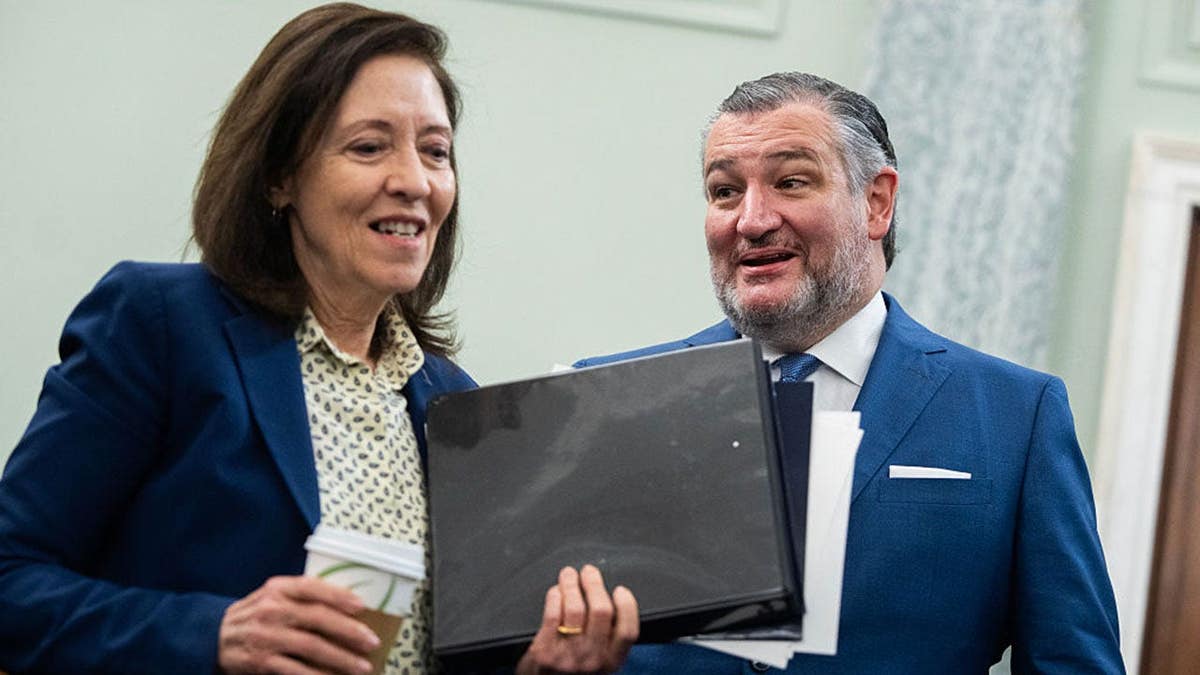
Sen. Ted Cruz, R-Texas, and Sen. Maria Cantwell, D-Wash., attend a Senate Commerce, Science, and Transportation Committee roundtable on the Protect College Sports Act and collegiate athletics in the Russell Building on June 10, 2026. (Tom Williams/CQ-Roll Call, Inc via Getty Images)
Last week during SEC Media Days, commissioner Greg Sankey mentioned to OutKick-FOX News that there needed to be certain areas of the legislation tied up so there would not be any loopholes that needed to be corrected, if the bill were to be voted on and signed into law.
"I think the reality is, if a bill is produced and advances, and it's eventually signed into law, the view will be we've solved those problems," Sankey mentioned. "And, Congress is going to move onto taxation, funding whatever, international issues. You just make a list, they have a lot of important issues, and they’re not coming back to close gaps or solve problems.
"That's why since the act was introduced, we've been focused on common sense adjustments to close the loopholes and make this manageable. There's energy and effort in that, but that doesn’t mean we're at the finish line yet."
Big Ten commissioner had this to say about the substance of the Protect College Sports Act
"We preferred a much skinnier bill than this bill," Petitti said. "That is not the reality right now. So we have to work within the framework of what's happening and make decisions about it as a totality..I frame the question as 'is there more good here than not?'. That's the way to look at it."
In terms of the revised bill, sources tell OutKick-FOX News that given the new language presented, this could be a landmark moment in college athletics.
"The ball has been punted to the Big Ten and SEC, so it will now be interesting to see how they approach this moving forward. They (congressional leaders) are working on a timeline here, and if something is going to be voted on, it's time," a source told OutKick-FOX News.
What were the revisions made to College Sports Act? New money
One of the bigger issues centered around whether conferences like the Big Ten and SEC could increase their member institutions. The summary, which OutKick-FOX News obtained, does not mention a cap on how many schools each conference can add in the future.
"I don't think anybody expects that we get the changes and just check the box. It's all good. There's going to be back and forth, there's still work to do..We'll go as fast as we can....We sent comments back to the Senators on July third," Big Ten commissioner Tony Petitti said Tuesday.
It should be noted that there are issues that have already been discussed by all parties that were not included in the summary, like conferences having a cap put on how many schools can be added in the form of expansion.
According to sources familiar with the ongoing discussions, here were the concessions made to the SEC and Big Ten around the PCSA.
- There will be no creation of a 'Super-Conference', which has been a talking point since its inception. AKA, no private-equity firm can create some new conference and grab schools from different league.
- The anti-expansion provision in the bill now includes the Big 12 and ACC, with the senators changing the language that now includes conferences that bring in $700 million in revenue from not being allowed to join forces like the Avengers. This was a decrease from the $1 billion previously proposed in the legislation.
- Continues to make the pooling of media rights voluntary. There can not be lawsuits presented that would challenge the SEC or Big Ten if they do not join the media rights pool.
- Establishes a retention pool exception that allows schools to spend an additional $20 million above the cap for retaining players in a variety of sports. Also, it allows women sport's to have $5 million to retain players. This does increase this part of the cap to $25 million
- Essentially the new cap in college sports would be around $46 million, which will run concurrent with the House settlement.
- If a school does not participate in the 'pooling of media rights', they will still have the authority to put together their own schedules, and the conferences would not "abide by the traditional rivalry scheduling requirements in the 'PCSA'.
- Prospects cannot be compensated before they arrive on-campus to start their enrollment.
Looking at these concessions, compared to the previous legislation, here's where both conferences did not get what they wanted.
- There was not a third party NIL market standard set, meaning there are still questions as to who comes up with the a baseline number.
- There is not any forceful language that prevents new lawsuits from being filed at schools whose universities are public.
- What about arbitration, with agreements with athletes that are already in place?
Essentially, the Big Ten and SEC got a very large chunk of what they wanted with these revisions, with final language being discussed throughout the next few days.
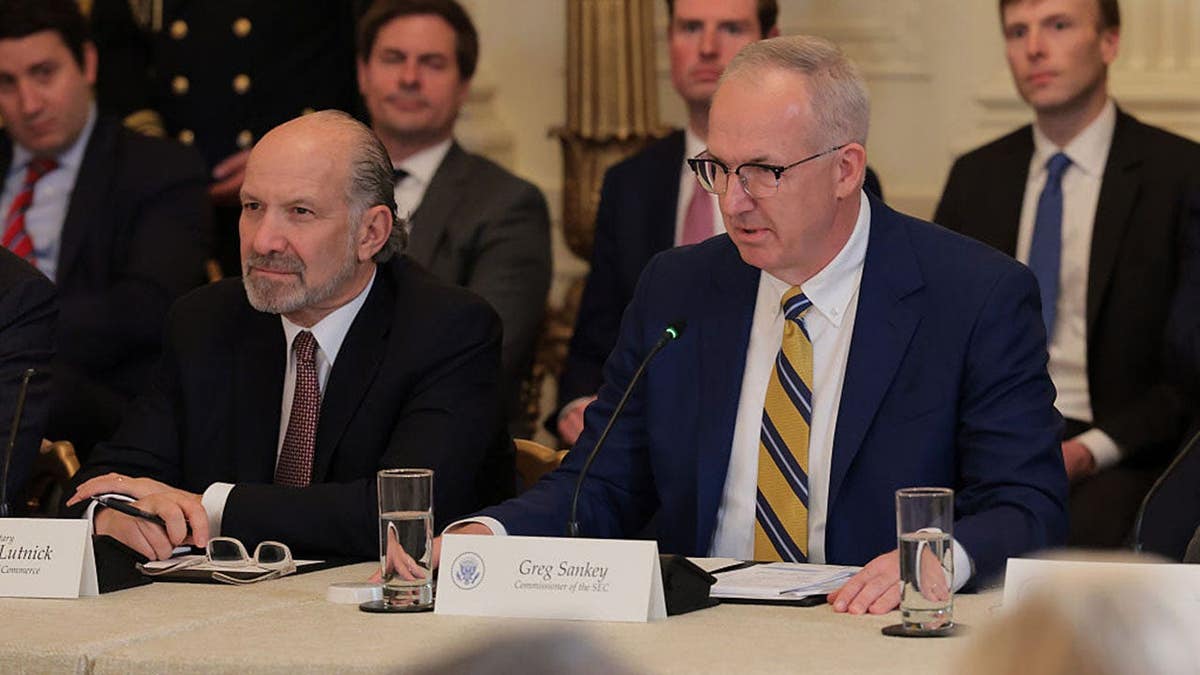
SEC Commissioner Greg Sankey speaks during a roundtable discussion on college sports in the East Room of the White House on March 6, 2026, as Commerce Secretary Howard Lutnick looks on. The Trump administration hosted the event titled "Saving College Sports" with leaders from the Power Four conferences, media executives and former coaches. (Anna Moneymaker/Getty Images)
In the revisions, with some conferences hitting back on how much money is being spent on retaining players compared to the financials spent on the transfer portal and even high school recruiting, Senators worked in a part in which there would now be a separate salary pool for keeping players on current rosters.
The SEC and Big Ten were not prepared to comment publicly on the matter until they were able to look at the entire bill.
What's next for senators trying to pass 'PCSA'?
Well, now comes the waiting game.
Officials from the Big Ten and SEC are going to have their lawyers look over the revisions to see if they are in large-part what they were hoping for. If they were to approve of these changes, then you would see both conferences come out in support of the legislation, along with Presidents and Chancellors from member schools.
If they do not support these revisions fully, then Senators Ted Cruz (R-Texas) and Maria Cantwell (D-Wash.) would try and push this to the Senate floor without their support. The problem lies in where does a majority of their support come from with this bill.
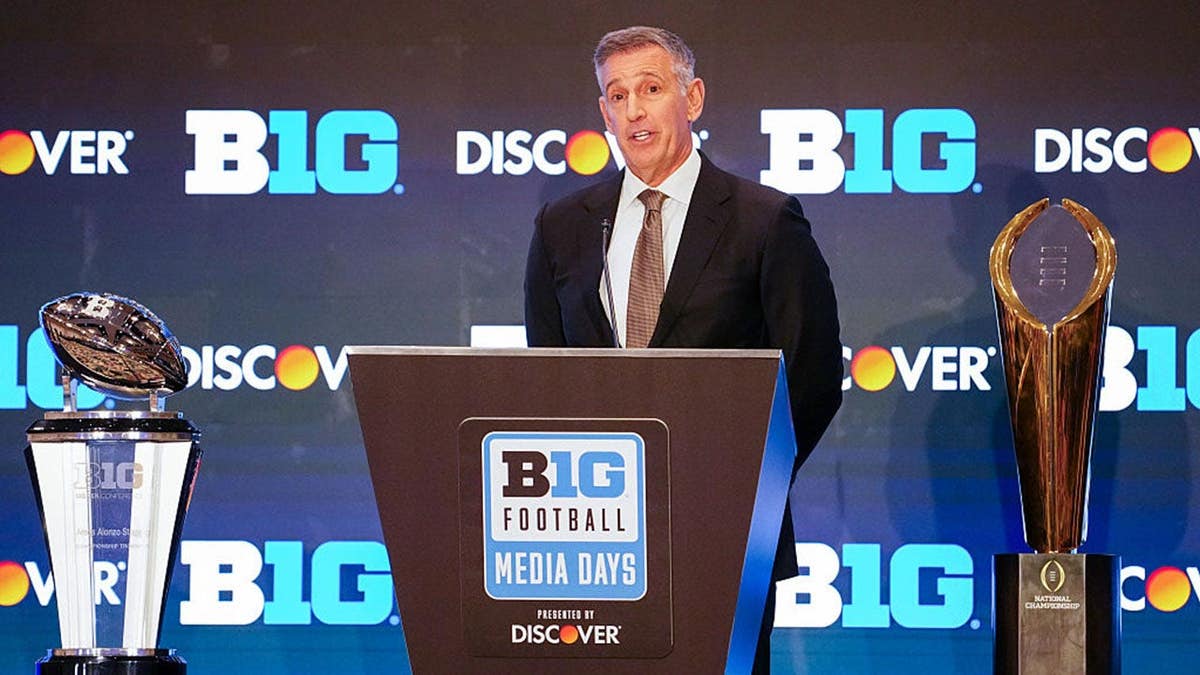
Big Ten Conference Commissioner Tony Petitti speaks during the 2025 Big Ten Football Media Days at Mandalay Bay Convention Center in Las Vegas, Nev., on July 22, 2025. (Louis Grasse/Getty Images)
There are a number of Senators who do no support the legislation, with a list that also includes the National Black Caucus.
CLICK HERE TO DOWNLOAD THE FOX NEWS APP
Can this pass without their support? Possibly, but having a bill pass with just enough votes is in a whole different ballpark than it passing with flying colors.
For now, the waiting game continues, with the Big Ten taking centerstage this week, though they are in constant communication with the SEC.
Here we go. If this is going to happen, we are officially in 3rd or 4th down territory.
Trey Wallace is the Sr. College Sports Reporter for OutKick.





 English (US) ·