
 3 hours ago
1
3 hours ago
1
Health influencers promote cortisol reduction tips
NYC certified dietitian and nutritionist Amy Shapiro discusses the latest social media health trends centered around cortisol, often dubbed the 'stress hormone.' Shapiro explains the body's natural need for cortisol and clarifies which popular reduction tips, like limiting caffeine or consuming fermented foods, are fact-based versus fiction. She also details signs of elevated cortisol levels and effective management strategies.
NEWYou can now listen to Fox News articles!
Social media feeds have recently been flooded with wellness influencers warning about the dangers of high cortisol.
But is this complex hormone truly something people should try to eliminate, or is it a victim of online hyperbole?
In a recent Fox & Friends segment, Ainsley Earhardt sat down with New York City-based certified dietitian and nutritionist Amy Shapiro to separate fact from fiction.
Why we need cortisol
Despite its reputation, cortisol is a biological necessity. Produced by the adrenal glands, it is the body's primary stress hormone.
DOCTORS SAY 8 FORGOTTEN HABITS COULD HELP FIGHT STRESS, OBESITY AND CHRONIC DISEASE
"It does help us in many ways," Shapiro said during the segment.
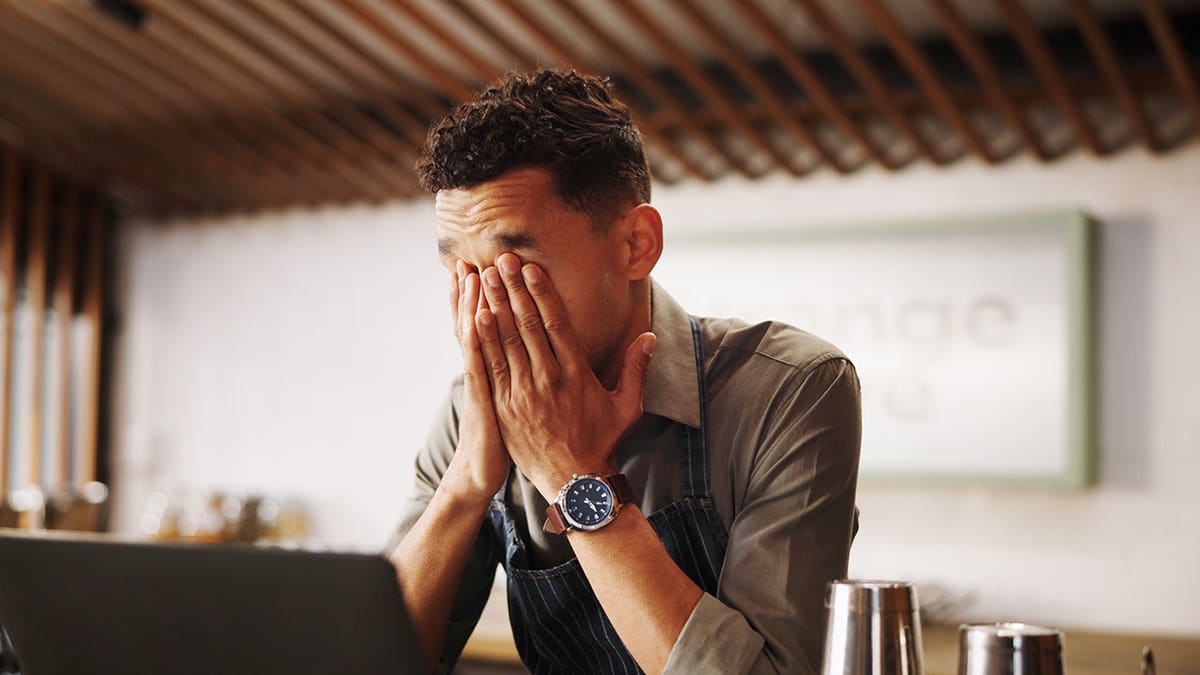
Reducing processed foods and prioritizing daily stress-management habits are effective ways to naturally keep your cortisol levels balanced. (iStock)
"It helps us get out of bed in the morning. You have a cortisol spike. Gives you that energy to get up and go. It helps to protect you when you have to run ... It helps support your immune system."
COFFEE MAY HAVE POWERFUL EFFECT ON LIVER HEALTH, MAJOR STUDY SUGGESTS
Under normal conditions, cortisol levels follow a natural 24-hour cycle, peaking in the morning to help the body wake up and gradually dropping to their lowest point at night.
Problems arise when the body remains in a prolonged state of stress, causing cortisol levels to stay elevated.
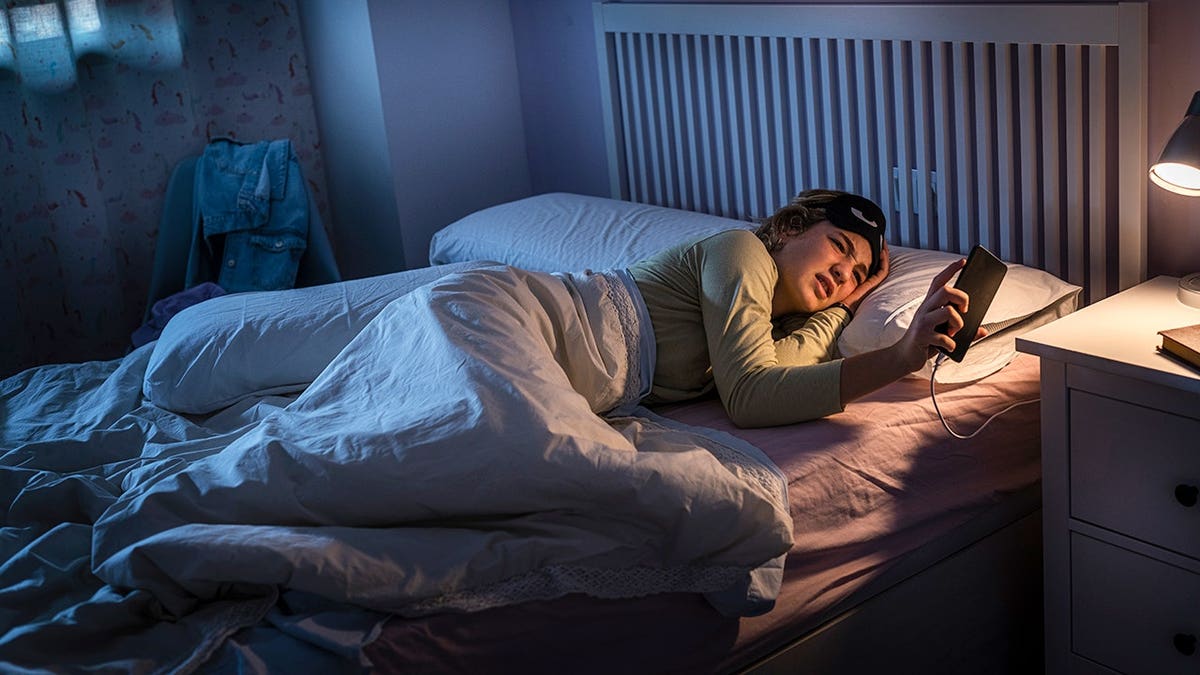
Cortisol is an essential stress hormone that naturally peaks in the morning to provide energy and support the immune system. (iStock)
According to Mayo Clinic, chronic exposure to high cortisol can disrupt almost all of the body's processes, contributing to anxiety, sleep issues and weight gain.
CLICK HERE FOR MORE HEALTH STORIES
Shapiro highlighted these as markers of cortisol imbalance, along with additional warning signs like frequent illness and feelings of burnout.
While influencers often attribute a puffy face ("moon face") entirely to cortisol, Shapiro said this is often misleading.
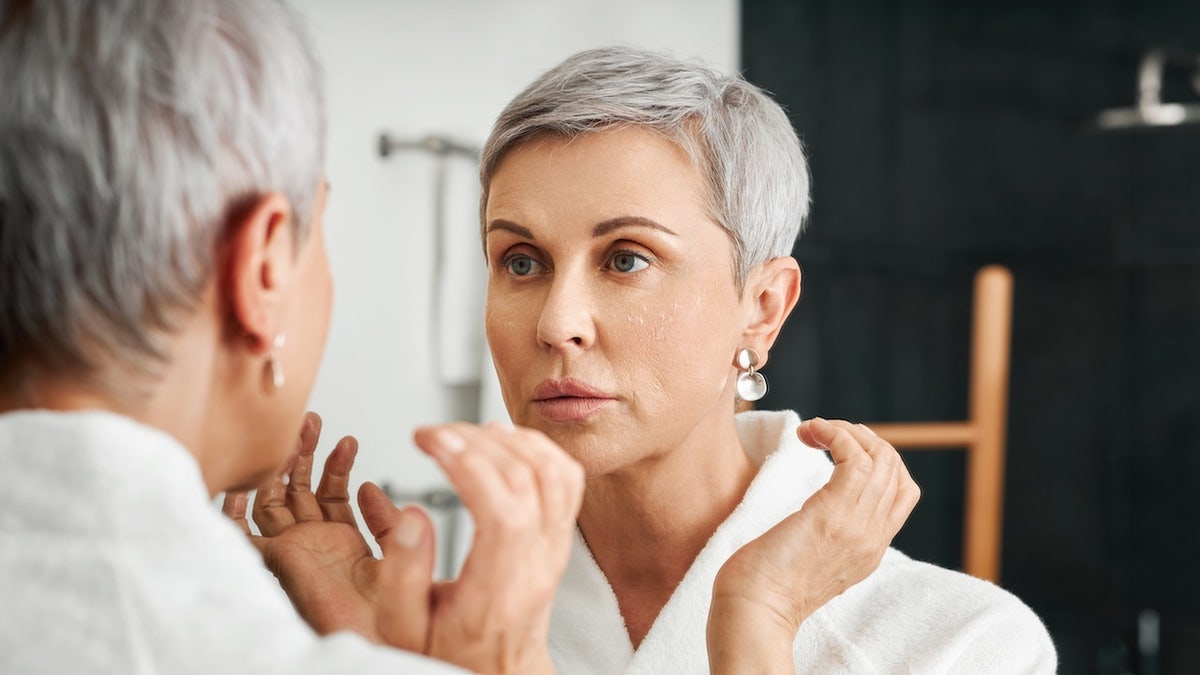
Signs of chronically high cortisol include weight gain around the midsection, constant fatigue and a weakened immune system. (iStock)
"It could be your diet, it could be high salt, it could be [inadequate] hydration. Maybe we're not all walking around with these taxed cortisol levels."
CLICK HERE TO SIGN UP FOR OUR HEALTH NEWSLETTER
Those who suspect their levels are off-balance shouldn't rely on self-diagnosis, the expert advised. A doctor can order saliva or blood tests to accurately measure hormone levels.
Managing levels naturally
Managing spikes starts with identifying and avoiding common daily triggers. Shapiro pointed out that caffeine can increase cortisol levels, especially when consumed on an empty stomach.

Drinking caffeine on an empty stomach can trigger unnecessary cortisol spikes, so it is best consumed after eating a balanced meal, experts advise. (iStock)
She added that exercising and doing high-intensity interval training late at night can also cause a spike in cortisol. "It's better to do it in the morning when your cortisol levels are naturally high," she recommended.
CLICK HERE TO DOWNLOAD THE FOX NEWS APP
Shapiro also cautioned against "eating ultraprocessed foods, eating high-sugar foods, drinking soda and not eating a balanced diet," as well as "high stress, not getting adequate sleep, not moving your body."
TEST YOURSELF WITH OUR LATEST LIFESTYLE QUIZ
"Recognizing that we do live in a high-stress society right now, taking time to manage our stress is a good idea," she added.
Khloe Quill is a lifestyle writer with Fox News Digital. She and the lifestyle team cover a range of story topics including food and drink, travel, and health.







 English (US) ·