
 4 hours ago
2
4 hours ago
2
Mercifully for a prime minister whose defenestration was swift and brutal after Labour’s catastrophic local election results in May, Sir Keir Starmer’s valedictory week has offered several opportunities to point to what he got right. Sir Keir’s steadfast record in corralling international support for Ukraine – and ensuring Britain stayed out of Donald Trump’s illegal war on Iran – will be looked on favourably by history. A minute’s applause in Paris on Monday, from leaders of the “coalition of the willing” countries, was well deserved.
On Tuesday in the House of Commons, Andy Burnham paid tribute to the outgoing prime minister for his role in drafting the bill that finally became the Hillsborough law this week. On Wednesday, serendipitously, the England team’s World Cup exploits allowed Sir Keir to indulge his passion for football during his final prime minister’s questions.
Freed from the gladiatorial atmosphere of a normal PMQs, where his somewhat wooden style seldom thrived, the prime minister was also relaxed enough to tell self-deprecatory anecdotes and make some rather good jokes. Opposition MPs joined Labour backbenchers in praising the undoubted strength of his dedication to public service.
But Sir Keir’s premiership will be remembered primarily for the rapidity with which it turned those backbenchers into a coalition of the unwilling. As a passive, remote prime minister, he presided over an administration that failed to find, and communicate, a coherent sense of direction to the country.

Two years ago, having decisively turned their back on the Conservatives and delivered Labour a landslide, voters anticipated a government that would promote Labour-style solutions to the country’s many problems. Instead, by boxing itself in unnecessarily with tax pledges and rigid fiscal rules, it created a set of dilemmas resolved by targeting the people whose interests it should have been protecting.
The winter fuel allowance debacle became emblematic of a U-turning government confused about what it was for. In recent weeks, Sir Keir has repeatedly cited the alleviation of child poverty as one of his government’s proudest achievements. But he could only do so because mutinous Labour MPs forced his administration to think again and finally lift a child benefit cap.
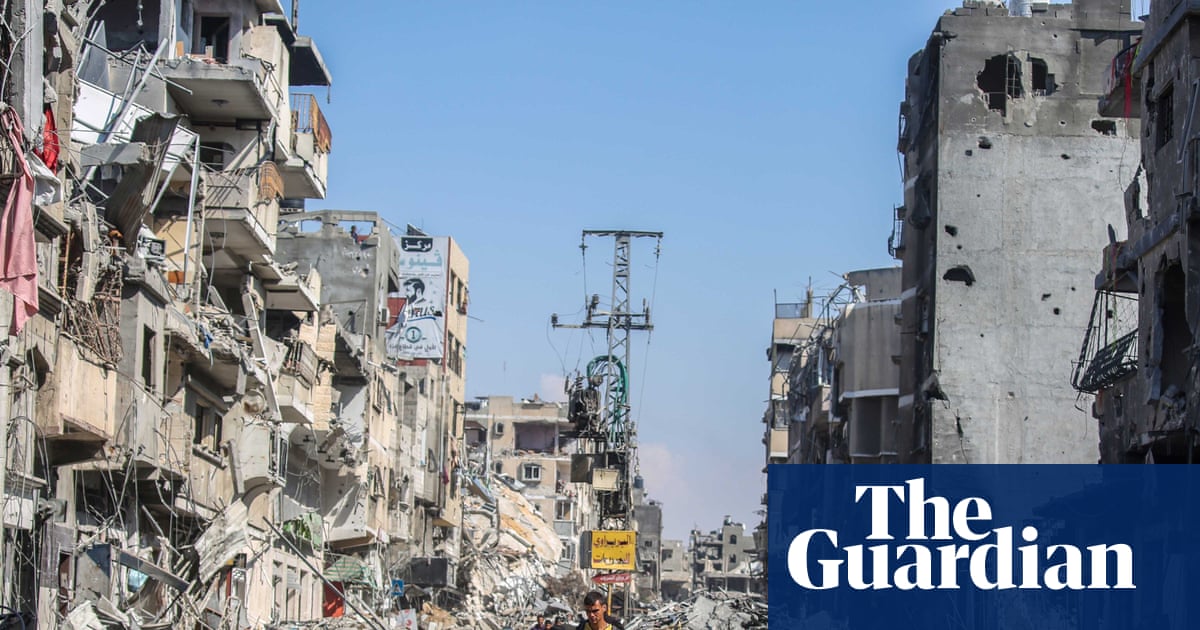
Part of the problem has lain in the fact that Sir Keir was a singularly unpolitical prime minister. His debilitating, technocratic caution alienated a public exasperated by declining living standards. On issues ranging from his wrongheaded response to the genocidal destruction in Gaza, to the backlash against proposals to cut personal independence payments, Sir Keir gave the impression of being surprised by crises that a Labour leader should never have found themselves in. With good reason, MPs feared that these cumulative failings would eventually hand the keys to No 10 to Nigel Farage.
The mood was different six years ago, when Sir Keir put on a bravura performance in his first PMQs facing Boris Johnson over the dispatch box. With lawyerly skill in a socially distanced Commons, he calmly and forensically dismantled Mr Johnson’s Covid record. But in the summer of 2024, a divided, angry country needed more than prosecutorial skills from its new prime minister; it required a leader with the vision and ambition to offer a transformative social democratic approach to the moment. Sir Keir, sadly, never came close to offering that.
-
Do you have an opinion on the issues raised in this article? If you would like to submit a response of up to 300 words by email to be considered for publication in our letters section, please click here.



 English (US) ·