
 3 days ago
4
3 days ago
4
You don’t need a kitchen full of expensive specialty gear for exceptional homemade pizza: a basic peel goes for $35, and a stand mixer is convenient and efficient, but optional. The sole truly indispensable piece of equipment is a pizza steel.
This thick slab of steel sits in the bottom of your home oven, soaks up its heat and then zaps it to the dough, creating the crisp, well-browned crust and leopard-spotted underside that are the hallmarks of a proper bake.
If you get creative, it can also earn a permanent place in your kitchen even on nights when pizza isn’t on the menu. A steel can griddle pancakes, press sandwiches and even reverse its role and keep dishes cold instead of hot. Here are a few of my favorite ways you can use a steel outside of pizza Fridays, and how to select the right model for you.
How to choose a pizza steel
Don’t settle for a pizza stone. Steel heats up faster and conducts heat to dough more efficiently, producing airier crusts and deeper browning. Baking Steel makes both of our favorite models.
Most versatile:
Baking Steel Griddle
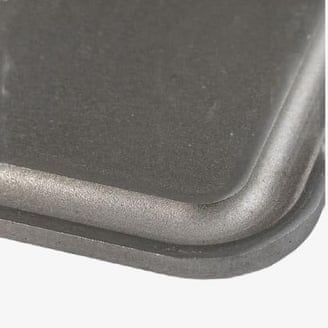
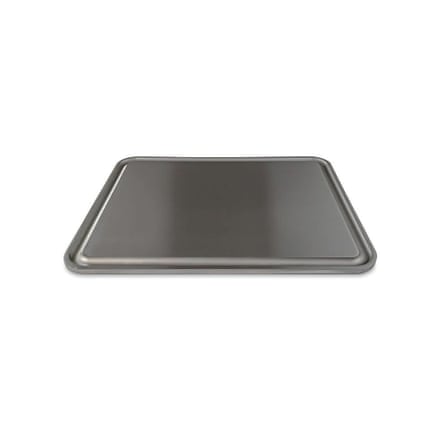
One side of the 3/8in-thick, 25lb slab is textured for baking crisp, blistered pizzas and artisan breads, while the smooth side functions as a full-size stovetop griddle for pancakes, eggs, bacon, grilled cheese and smash burgers. A grease trough around the smooth side catches rendered fat, making griddle cooking less messy and cleanup easier.
Baking Steel
Griddle
$199
Best value:
Baking Steel Original
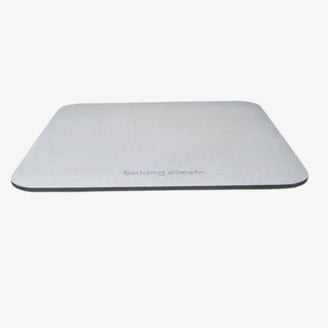
Baking Steel
Original
from $129
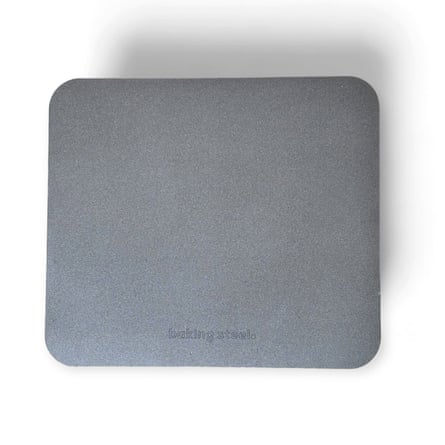
If you don’t plan on griddling much, the Original Baking Steel is the better value. At 1/4in-thick and 15lbs it heats slightly faster than thicker models. It will still double as a stovetop griddle, but skip fatty foods since grease can spill over the edge and, on gas ranges, potentially ignite.
Baking Steel
Original
from $129
What else can I do with a pizza steel?
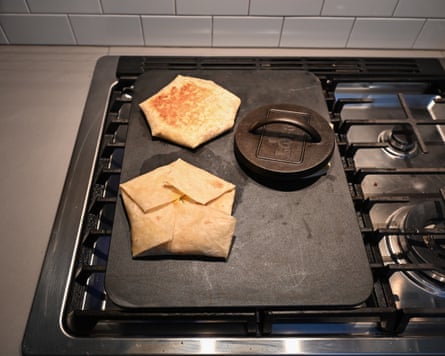
Griddle everything
This is the big one. Set the steel over your largest burner (or maybe two) and let it preheat for several minutes. Keep in mind that steel retains heat exceptionally well but takes time to heat evenly, so don’t rush. When the steel is hot enough that water droplets slide around the surface but don’t instantly evaporate, you can unleash you can unleash your inner short-order chef by making pancakes, eggs, fajitas or grilled sandwiches. Just remember to save the bacon and smash burgers for models with a grease trough. If food sticks, wait for the slab to cool, then scrub it with a pumice stone.
Chill foods without ice
The same thermal conductivity that makes a baking steel exceptional for pizza also works in reverse. After a few hours in the freezer, the steel becomes a large cold reservoir that absorbs heat from whatever you place on it, helping keep food chilled without the mess of melting ice.
Use it under a platter of raw vegetables, fruit, cheese or sushi during a party, or as an ultra-cold surface for making ice cream rolls on thoroughly cleaned steel. Just be sure to wash and sanitize it well after any kitchen or outdoor use before serving food directly on its surface.
Roast veggies
The intense, even heat of a baking steel promotes the Maillard reaction, producing crisp, deeply caramelized vegetables while keeping the interiors tender. Preheat it for about an hour, then spread evenly cut vegetables tossed with oil, salt, pepper and your favorite seasonings onto a sheet pan, placed directly on to the hot steel.
Potatoes, carrots, onions, broccoli, brussels sprouts and zucchini all benefit from the extra browning. You can also use the steel as a stovetop griddle for vegetables such as peppers, onions, mushrooms and asparagus, giving them the charred flavor and texture of restaurant-style flat-top cooking.
Bake artisan loaves or flatbreads
after newsletter promotion
A pizza stone’s thermal mass can also work its heat-transfer magic on artisan sourdough, baguettes, country loaves and flatbreads including naan, pita and lavash. Slide the dough directly on to the steel or use parchment paper to make loading easier.
The key is giving the steel plenty of time to preheat – about an hour in most ovens. If you have an infrared thermometer, aim for a center-surface temperature of about 500F (260C) before baking.
Stabilize oven temps
After preheating, a heavy steel slab acts like a thermal battery, storing a tremendous amount of heat and releasing it gradually as your oven cycles on and off. That extra thermal mass minimizes temperature swings, reduces hot spots and helps the oven recover more quickly after you open the door.
The result is a more consistent baking environment for everything from cakes and cookies to casseroles. Even foods baked on the rack above the steel benefit from the steadier heat. Preheating a baking steel beneath your sheet pan delivers the intense bottom heat laminated pastries including croissants and danishes need to puff into lofty, flaky layers before the butter melts and leaks out.
Upgrade your outdoor cooker
On a gas or charcoal grill, set the steel directly on the cooking grates to sear steaks, seafood or fajita veggies.
If it fits your outdoor pizza oven, replacing the factory pizza stone with a baking steel can produce an even crispier, better-browned crust thanks to steel’s superior heat transfer. Because steel delivers heat more aggressively than stone, you’ll need to keep a close eye on your pizza and may need to lower the oven temperature or shorten the bake to avoid scorching the bottom.

Other pieces you might enjoy from the Filter, the Guardian’s guide to buying fewer, better things:
-
Baking Steel v Ooni v Gozney: I tested the three best pizza makers for home in the US
-
The seven best non-toxic cooking pans in the US, tested in a food lab







 English (US) ·