
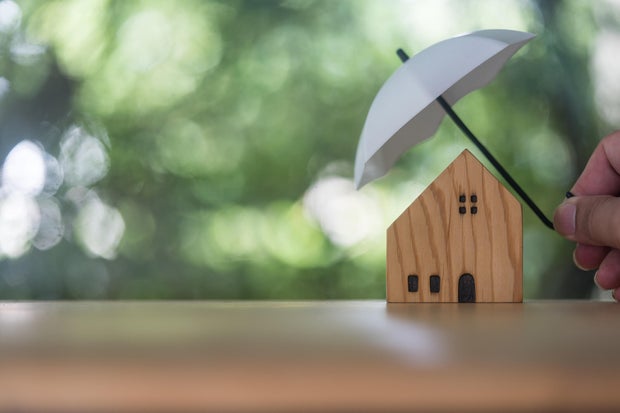
 Not every HVAC failure is created equal in the eyes of your homeowners insurance company.
dontree_m/Getty Images
Not every HVAC failure is created equal in the eyes of your homeowners insurance company.
dontree_m/Getty Images
The relentless heat gripping much of the country has put home cooling systems to the test over the last couple of months. As record-breaking temperatures stretch on and air conditioners run for longer hours than usual, many homeowners are discovering just how quickly an aging or struggling HVAC system can become a major financial problem. And when a repair technician delivers the news that replacement — not another repair — is the better option, the price tag can come as a shock.
With a new HVAC system costing thousands of dollars on average, and even more when you calculate the installation costs into the equation, it's only natural to wonder whether your homeowners insurance policy can help absorb some of the expense. After all, insurance is there to protect against unexpected losses. But when it comes to heating and cooling equipment, what may seem like a straightforward homeowners insurance claim may not actually be that simple due to the details buried in the fine print.
The cause of the damage, not just the fact that your HVAC system stopped working, plays a large part in determining whether your insurer will pay for repairs or replacement. Understanding that distinction can help you avoid costly surprises, so it's critical to know whether your homeowners insurance policy will cover HVAC replacement.
Learn how ARS can help keep your home's cooling costs low now.
Does homeowners insurance cover HVAC replacement?
In many cases, homeowners insurance can cover HVAC replacement, but that's generally only true when the damage results from a covered peril listed in your policy. Standard homeowners insurance is designed to protect against sudden, accidental damage — not the gradual wear and tear that comes with owning a home.
That distinction is especially important during periods of prolonged extreme heat, when HVAC systems may be working almost continuously. If a unit fails during a record-breaking heat wave as the result of age, excessive use or normal mechanical failure, insurance typically won't cover the replacement.
If your HVAC system is destroyed by a covered event, however, such as a fire, lightning strike, windstorm, hail or certain types of falling objects, your insurer may pay to repair or replace the damaged equipment after your deductible. Coverage may also apply if a burst pipe or another covered water event damages your furnace or air conditioning system, depending on your policy language.
However, insurance generally won't replace an HVAC system simply because it's old, inefficient or has reached the end of its expected lifespan. Most systems gradually lose efficiency over 15 to 20 years, and routine mechanical breakdowns, corrosion, rust and deferred maintenance are almost always excluded. Here are some common scenarios homeowners encounter:
Damage from a covered event
If a tornado sends debris crashing into your outdoor condenser or lightning destroys key electrical components, those losses are typically covered by your homeowners insurance policy because they're tied to a specific insured event. Similarly, if a house fire damages your HVAC equipment, replacement costs are generally included as part of your dwelling coverage.
Find out more about your affordable HVAC options with ARS.
Mechanical failure
Running your air conditioner around the clock during an exceptionally hot summer can certainly put additional strain on your HVAC system, but insurers generally don't consider that an insurable event. If your compressor fails after years of normal use or your system simply wears out after heavy usage, homeowners insurance typically won't pay for a replacement because the failure wasn't caused by a covered peril. In that scenario, it often comes down to weighing repair costs against buying a new unit out of pocket.
Maintenance-related problems
Neglected HVAC maintenance can also lead to denied claims. For example, if clogged drain lines cause preventable damage or a system fails because filters haven't been changed regularly, insurers generally view those issues as homeowner responsibilities.
That's particularly relevant during periods of sustained high temperatures. When HVAC systems are operating for longer periods than normal, skipping annual tune-ups or delaying small repairs can increase the likelihood of a costly breakdown — one of several common HVAC mistakes that cost homeowners money. Unfortunately, those failures generally remain the homeowner's responsibility rather than the insurer's.
What about partial HVAC repairs?
When your insurance policy does cover the damage to your HVAC system, it's important to understand that you won't necessarily receive a brand-new HVAC system as part of the claim. For example, if a component can reasonably be repaired, the insurer may pay for repairs instead of a full replacement. In some situations, matching issues or discontinued equipment could result in additional replacement costs being covered, but those decisions vary by policy and insurer. Every homeowners insurance policy is different, though, so coverage will vary from one policy to the next. In turn, reviewing your declarations page and policy exclusions before you need to file a claim can help you understand exactly what's covered.
Other HVAC protection options worth considering
Given that homeowners insurance has important limitations, many homeowners turn to other forms of protection to help manage their HVAC costs, particularly after summers that place exceptional strain on their cooling systems.
A home warranty, for example, may cover certain mechanical failures caused by normal wear and tear — something homeowners insurance generally excludes. Coverage varies widely by home warranty provider, however, and it's worth noting that warranties often include service fees, payout caps and exclusions for pre-existing conditions or improper maintenance.
Manufacturer warranties can also help offset repair or replacement costs, particularly for newer systems. Many major HVAC components come with limited warranties that cover specific parts for several years, although labor costs may not be included in this coverage.
As a result, regular maintenance remains one of the best financial protections available. Annual tune-ups, regular filter changes and addressing small issues early can extend the life of your HVAC system while reducing the likelihood of expensive breakdowns that insurance won't cover. This type of maintenance is especially important after periods of prolonged heavy use, when HVAC systems may have experienced significantly more wear than they would during a typical year.
If replacement ultimately becomes unavoidable and insurance doesn't apply, homeowners may also consider financing options such as manufacturer payment plans, contractor financing or home equity products, provided they have sufficient equity and can comfortably manage the payments.
The bottom line
Homeowners insurance can cover HVAC replacement, but only when the damage stems from a covered event rather than normal aging or mechanical failure. As homeowners continue relying heavily on their cooling systems during prolonged stretches of extreme heat, understanding that distinction is becoming increasingly important. Taking time to review your insurance policy, keep up with routine maintenance and explore supplemental protection like a home warranty can help you avoid unexpected financial strain if your HVAC system eventually needs major repairs or replacement.
Edited by Matt Richardson





 English (US) ·