
 5 hours ago
4
5 hours ago
4
The 14-point deal with Iran signed by President Donald Trump in mid-June was supposed to be a diplomatic offramp, one the architects of the agreement said would wind down the war and open new pathways to prosperity for the Middle East.
But six weeks after the agreement was inked and three weeks after Trump declared it officially dead, the conflict has not only been revived -- it has reached new fronts and reignited simmering feuds.
Efforts by several mediating countries to restart negotiations between the U.S. and Iran have repeatedly hit a wall, dimming prospects of the key belligerents striking even a more limited ceasefire agreement.
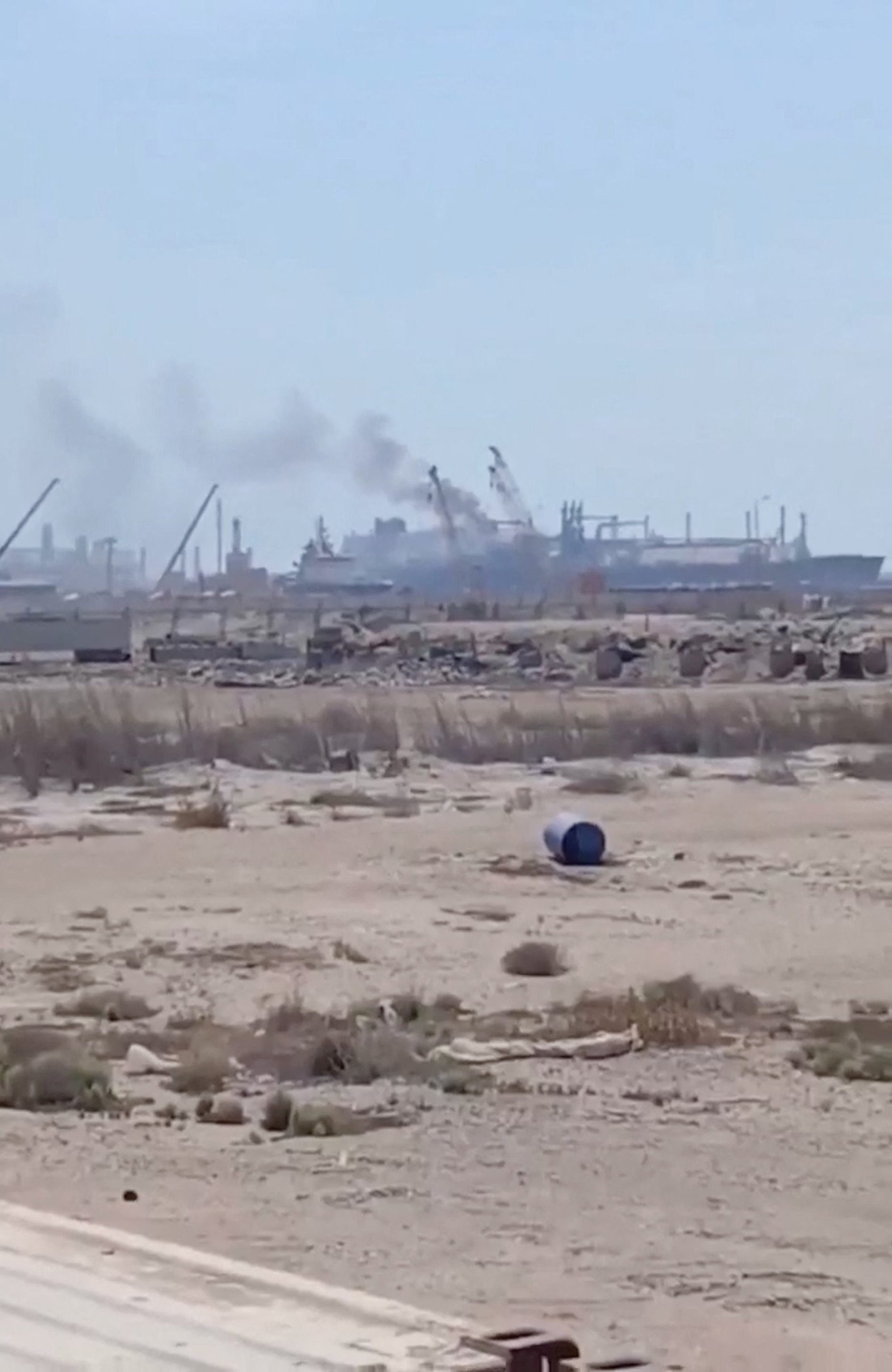
Smoke rises from a gas tanker after a drone strike, maritime security firm Ambrey said, at Damietta port, Egypt, July 29, 2026, in this screengrab obtained from a social media video.
Social Media/SOCIAL MEDIA via Reuters
War stretches west
On Wednesday, flames engulfed an American-owned gas storage tanker and another vessel in Egypt's Mediterranean port of Damietta.
Although Iran's foreign minister has denied any responsibility and no country or group has taken credit for it, Egypt said the fire was the result of a drone strike and U.S. officials have assessed that Iranian-linked actors were likely behind it.
Trump said on Wednesday he was briefed on the matter and described the incident as "a little more of the same."
However, the attack marks the first time Egypt has been hit during the course of the conflict, adding another name to the list of more than a dozen countries that have come under Iranian fire this year.
According to the Egyptian government, the country's foreign minister spoke by phone with Trump's special envoy Steve Witkoff after the drone attack and both officials "stressed the importance of preventing further escalation and avoiding a broader regional conflict."
But the war is already increasingly ensnaring another power player in the region: Saudi Arabia.
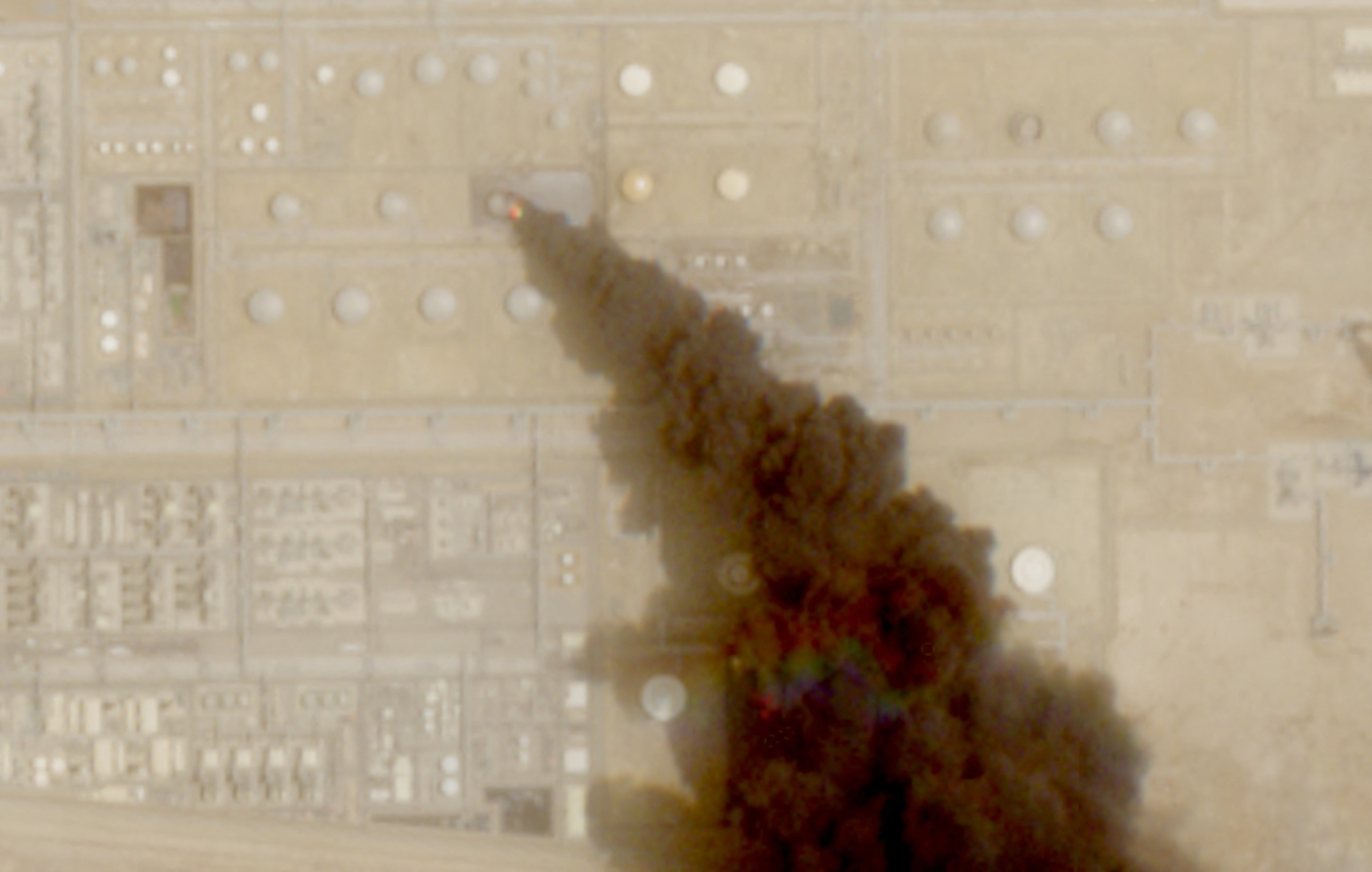
A satellite image shows trail of smoke rising from an oil facility, in Jizan, Jazan province, Saudi Arabia, July 26, 2026.
European Union/copernicus Sentin via Reuters
U.S. officials say Tehran fomented the collapse of a yearslong informal truce between Riyadh and the Iranian-backed Houthis by attempting to fly Islamic Revolutionary Guard Corps (IRGC) personnel and weapons into the Yemen's capital earlier this month, prompting the Saudi-backed Yemeni government to fire on the airport to prevent the plane from landing.
But that plane diverted and the Houthis appeared emboldened, declaring they would impose a maritime blockade on Saudi Arabia -- threatening another vital shipping lane in the Middle East.
Riyadh had been reluctant to formally join the fray but signaled it would meet threats from the Houthis and other Iranian proxies with force.
On Wednesday, the kingdom acknowledged taking a direct role in the conflict for the first time, announcing its armed forces had carried out joint strikes with U.S. Central Command (CENTCOM) on targets in Iraq that perpetrated attacks on Saudi energy sites.
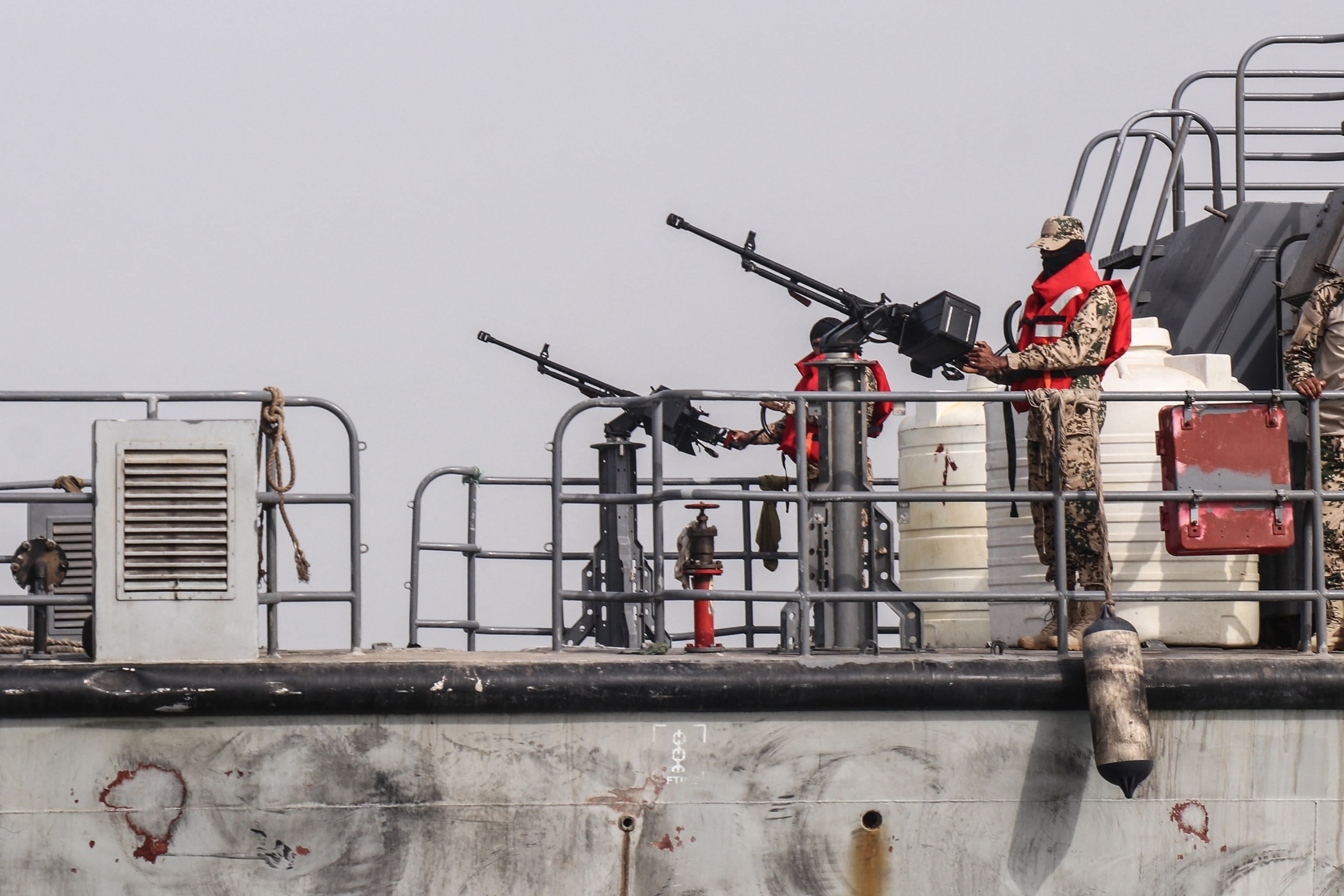
Sailors from the navy of Yemen's Aden-based internationally recognized government stand at machine gun positions aboard a vessel patrolling a shipping lane off Hanish Island in the Red Sea on July 27, 2026.
Khaled Ziad/AFP via Getty Images
Riyadh also announced on Thursday that it convened representatives of 43 countries to discuss plans for a maritime defense coalition to safeguard shipping in the Red Sea, and that 14 of those nations ultimately backed a joint statement launching the coalition.
An increasingly global conflict
Exactly a month to the day after the deal that was supposed to cement that truce between the U.S and Iran was signed by Trump, a missile and drone attack launched by Tehran claimed the lives of three American service members -- the first troops killed by direct Iranian fire since the first days of the war.
Although Jordan is approximately 1,000 miles from Iran, Tehran has hit at U.S. interests in the country nearly a dozen times during the past month, extending the range of its retaliatory strikes far beyond the Gulf.
Following a few days of calm earlier this week that U.S. officials hoped would make space for diplomacy, Iran also launched what CENTCOM described as an "attempted surprise attack" on American forces in the Middle East. The Iranian regime later identified Jordan's Muwaffaq Salti Air Base as the intended target.
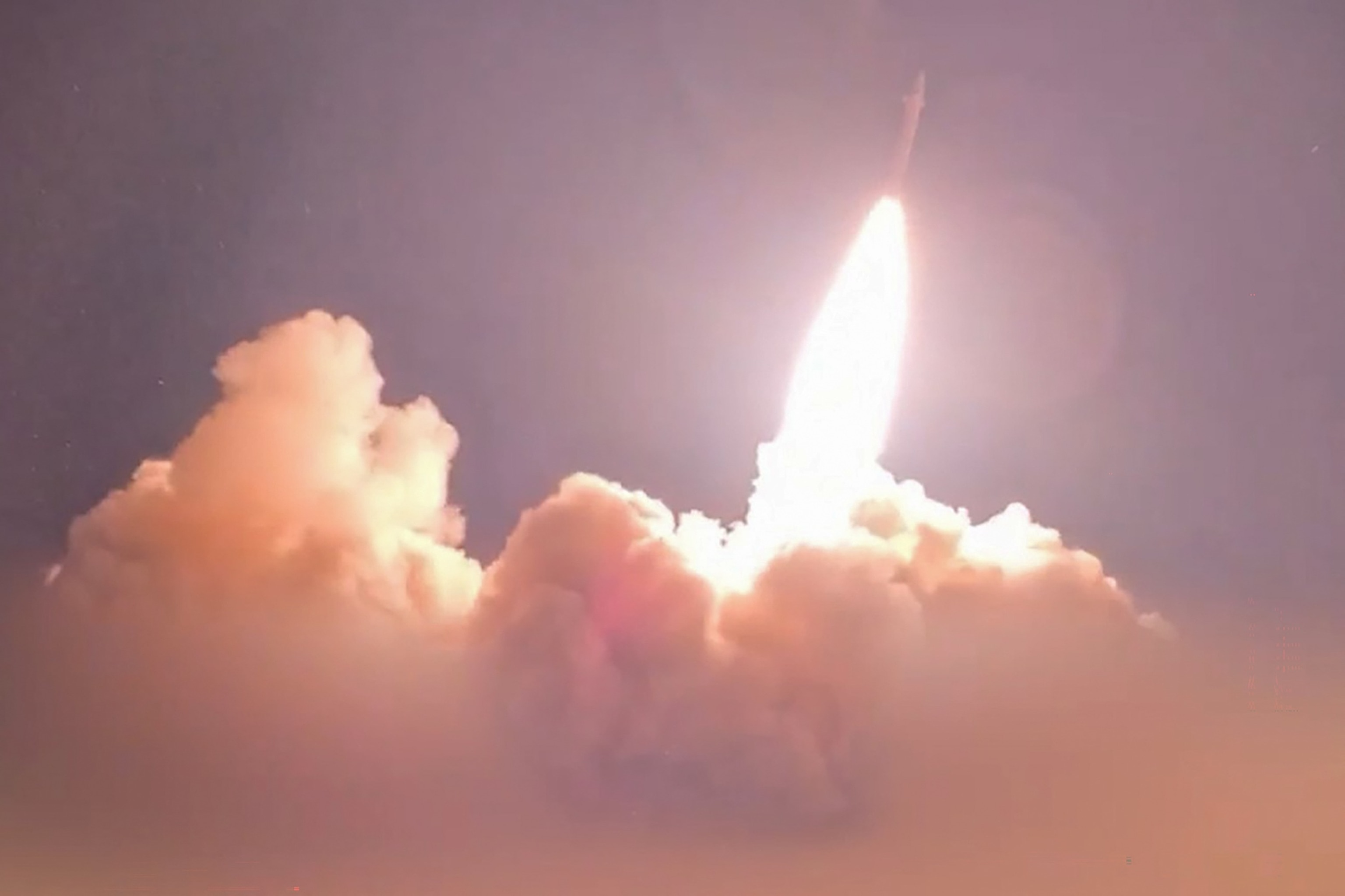
This screen grab taken from video footage released on July 16, 2026, by the Islamic Revolutionary Guards Corps Sepah News website shows a missile being launched from an undisclosed location towards U.S. targets in Jordan, Kuwait and Bahrain.
SEPAHNEWS.COM/AFP via Getty Images
That attack followed Iran's rejection of a proposal for managing the Strait of Hormuz and was likely intended to signal "the regime's willingness to incur the risk of full-scale conflict with the United States," according to an assessment from the Institute for the Study of War.
Tehran's focus on U.S. targets in Jordan has also intensified questions about intelligence sharing and other forms of support Tehran may be receiving from two other U.S. rivals: Russia and China.
Trump administration officials have repeatedly said that Moscow and Beijing have not meaningfully contributed to Iran's war effort. But on Saturday, Ukraine struck an Iranian commercial cargo ship in the Caspian Sea that Kyiv said was transporting arms between Iran and Russia. The attack prompted threats of Iranian retaliation and concern that the wars in Ukraine and Iran could eventually converge.







 English (US) ·