
 1 hour ago
2
1 hour ago
2
Mariana Velasquez has learned that the secret to hosting – and perhaps even life itself – is learning to pivot.
“I used to be the host who wanted everything to be perfect,” said the Colombia-born, New York-based chef and food stylist. That all changed one night on a Brooklyn rooftop. She set a table for 12 people with linens, florals, “the whole thing. It was a beautiful summer night, and just as we were about to sit down it started downpouring.”
Guests rushed downstairs, eating lukewarm food off plates on their laps. “It ended up being one of the most fun evenings ever because I finally relaxed,” she said.
The author of Revel: A Maximalist’s Guide to Having People Over, which came out this spring, said the act of hosting is as much a way of treating loved ones as it is bringing them into your home. “Hosting is a way of being in the world. You can host a friend at their own home – just bring food over and take care of them,” she said.
She spoke with the Filter about how to pull together a last-minute gathering that still feels thoughtful, the dulce de leche that reminds her of home – and her foray into designing tableware.
What’s the key to throwing a good party?
Let it be imperfect and make it yours. People can feel the warmth when they walk through the door. Have drinks ready and some food set on the table right away. Cook or order takeout more – it doesn’t matter. What matters is getting together.
What are some less obvious key ingredients to a successful party?
Have a plunger – hidden but findable. There’s nothing more terrifying than being at a party and needing one. Have nice soap and towels in the bathroom too.
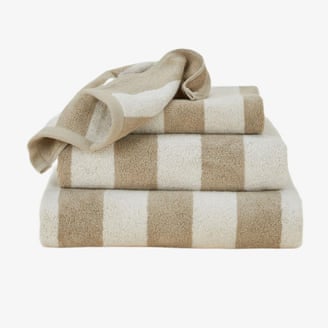
Hawkins New York
Simple Striped Terry Towel
$24
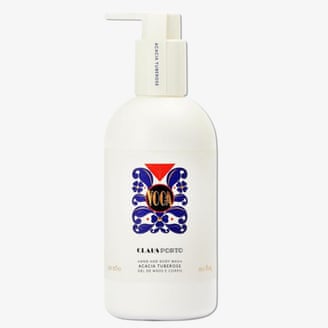
Claus Porto
Voga Acacia Tuberose Handwash
$34
Say I’m hosting a last-minute gathering tonight. How can I pull it together in a pinch?
I just did this in Los Angeles last week. Run to a good grocery store and find good-looking dips: hummus, artichoke dip, some beautiful smoked fish, charcuterie – 2oz per person for two hours.
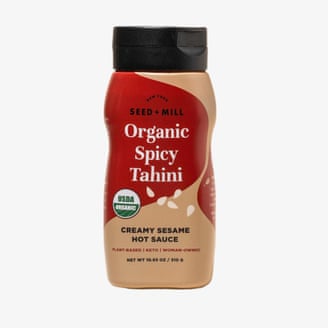
Seed & Mill
Spicy Tahini
from $9.90
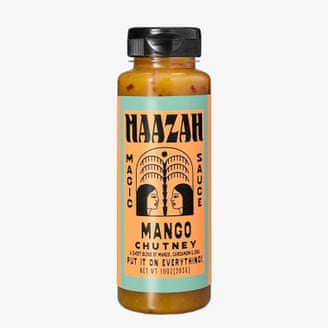
Maazah
Mango Chutney
$8.49
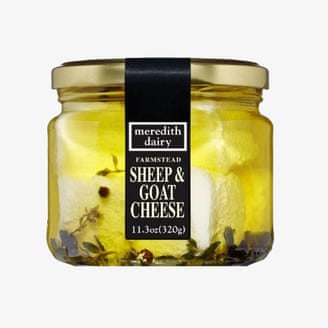
Meredith Dairy
Goat and Sheep Cheese
from $15.98
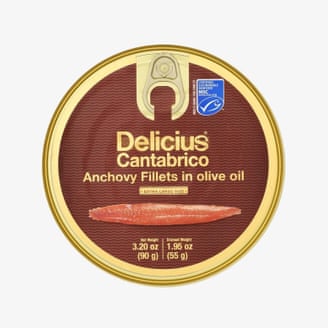
Delicius
Cantabrian Sea Anchovy Fillets in Olive Oil
$10.99
Find good bread, some anchovies, butter, and buy some rotisserie chickens and make a salad. Make it very casual and loose – tell guests to grab a plate and serve themselves.
And if I want it to look slightly elevated?
Go to a deli and grab some tulips – easy flowers or candles can make a big difference. Yummi also makes beautiful tapered candles and its selection of colors is delicious: magentas, but also ochre, mustard and other really, really pretty colors.
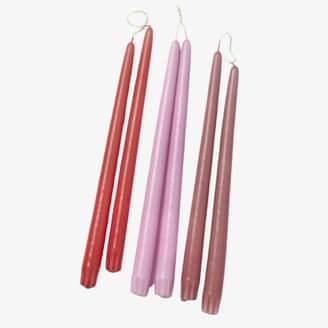
Yummi
Taper Candles
from $19
Your books Revel and Colombiana feature gorgeous tablescapes. What’s on your table?
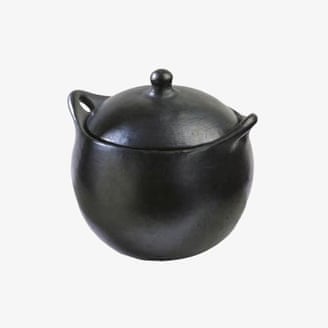
Chamba Imports
Authentic Chamba Soup & Bean Pot
from $89.99
There’s an amazing line of stoneware from this tiny town in Colombia called La Chamba, where the clay is black. It keeps temperature really well – chilled or hot – and it just is a perfect vessel. I use it for beans, braised short ribs and slow-cooked pork. But because its shape is so beautiful, I sometimes fill it with flowers – carnations or roses – and it makes a great centerpiece.
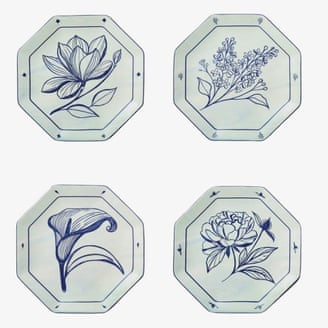
Sur La Table
Mariana Velásquez x Sur La Table Salad Plates (set of four)
$19.99
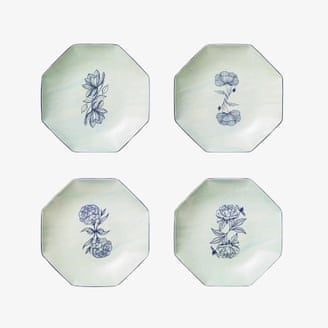
Sur La Table
Mariana Velásquez x Sur La Table Pasta Bowls (set of four)
$24.99
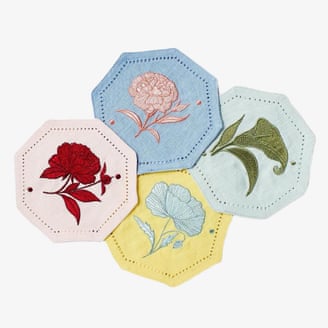
Sur La Table
Mariana Velásquez x Sur La Table Assorted Embroidered Cocktail Napkins (set of four)
$29.99
I just designed this whole collection with Sur La Table. I went to the archives in the New York City Library and found these 1,800 botanical prints of magnolias, peonies, irises, lilies, and used those as inspiration for [drawing] these florals. The carnations are an ode to Colombia; they’re the underdog of flowers, but are actually so beautiful.
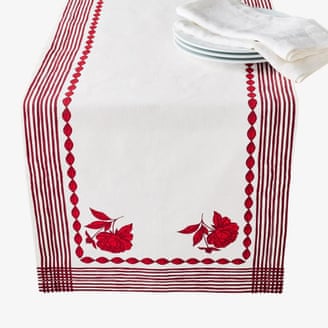
Sur La Table
Mariana Velásquez x Sur La Table Peony Runner, 16in x 108in
$29.99
Instead of using a big table cloth, I’ll often put two runners parallel, so they work as place mats, but the center of the table is empty for flowers and platters.
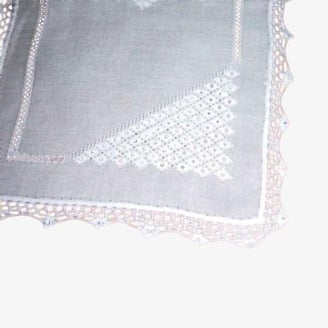
Artemanos
Ao Poi Runner
$47
I have some runners from Paraguay made with this incredible weaving technique called Ao Po’i, which is a Guarani word [meaning “fine cloth”]. Women grow their own cotton and weave it into these incredibly intricate designs. It’s almost like a spider web weave. I’m obsessed.
Your first book, Colombiana, is an ode to your home country. What are some Colombian staples in your kitchen?
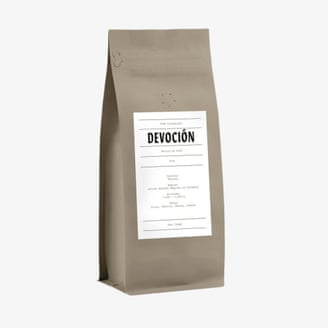
Devoción
Toro Roast Coffee
from $25.25
I can’t live without coffee. My favorite maker is a brand called Devoción, which sources all green beans in Colombia, and then roasts them in Brooklyn, which makes the coffee very fresh and super fragrant.
after newsletter promotion
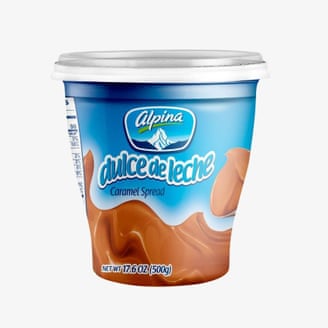
Alpina
Dulce De Leche
from $15.99
I love Colombian dulce de leche, which we call arequipe. It’s like caramel: thick, creamy, and I eat it by the spoonful. I use it in a mille-feuille recipe in my book. I sometimes make my own, but that takes a long time. So Alpina is my way to go.
What are your go-to condiments to add flavor to a simple dish?
I discovered fuyu fermented bean curd in Hong Kong, many years back, but I buy it in [New York’s] Chinatown. It’s a delicious, umami-flavored condiment that I put on greens like kale or mustard greens. It goes well with everything: eggs, greens and stirred in rice. It’s just this incredible seasoning that makes my mouth water.
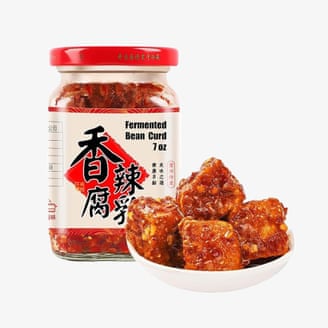
Fuyu
Fermented Bean Curd
$13.99
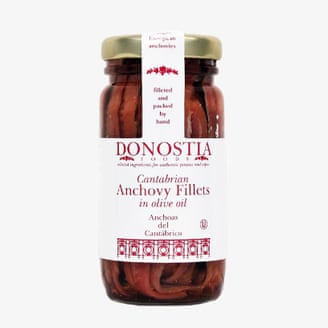
Donostia
Cantabrian Anchovies in Olive Oil
$12.99
In the summer I’ll put these on a slice of bread, slather on some butter, tomatoes, salt and pepper.
What are your favorite cookbooks?
I have a big cookbook collection, but I moved about a year and a half ago and I had to put things in storage. So I really needed to curate my favorite cookbooks.
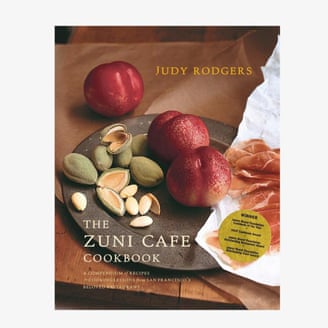
The Zuni Café Cookbook: A Compendium of Recipes and Cooking Lessons from San Francisco’s Beloved Restaurant
from $31.51
The Zuni Cafe cookbook by Judy Rogers reads like literature. The techniques and her understanding of how food really works is brilliant, and it’s also very simple cooking. I love the cover recipe: it’s just a plate of prosciutto with white rose nectarines and green almonds. The three elements pair so well together. She also has a peach and muscat dessert. It’s so simple, but just perfect.
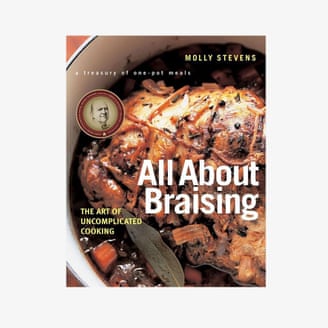
All About Braising: The Art of Uncomplicated Cooking
from $17.89
When I was in culinary school, [author] Molly Stevens hired me on the weekends to come to her house in Vermont and test recipes with her. We would listen to NPR, usually the afternoon opera classics [such as] La Traviata and Turandot, and it’s one of those memories that I treasure.
She has a braised sausage with plums recipe I love and also an Asian chicken recipe with these incredible mustard eggs, mushroom soy [sauce], where she stuffs chicken breasts with ground pork. It’s so savory and yummy and satisfying. The book is timeless.
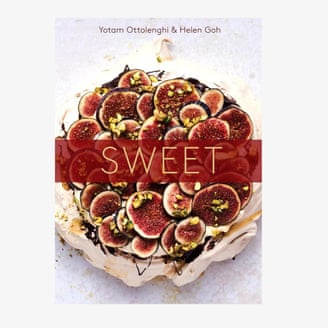
Sweet: Desserts from London’s Ottolenghi
from $12.99
Ottolenghi’s books are always incredible. The one that I cook from the most is the dessert one; I follow every instruction to the T, and they’re a hit every time. He makes this incredible meringue roulade with blackberries and a vertical layer cake.
I also brought my grandmother’s recipe book, which she handwrote in a letter-bound diary with an alphabetical index. She has bizarre things, like a whole salmon poached with olive oil – I have a whole roasted arctic char in Revel inspired by that.
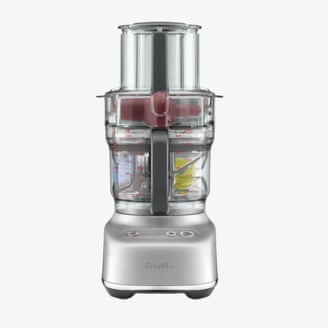
Breville
the Paradice 9
from $399.95
I love my food processor. It has all these attachments: you can use it for chopping food, as a dough hook. I use it for salsa verde, to make pie dough. Everything.
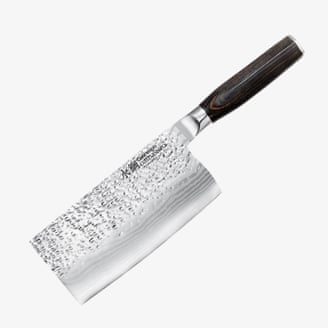
Cuisine
Pro Cleaver
$89.99
I was in Hong Kong for a residency last November and December, and the space where I was cooking had a cleaver. And I’ve since become a cleaver user, like more than my chef’s knife. It’s late in my career to be switching from one essential tool to another, and it felt so revealing that I could adapt to something new. It’s great for veggies, it’s easy to keep sharp and they’re quite inexpensive.
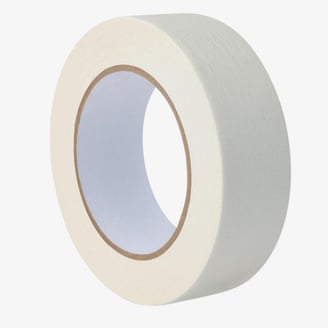
Amazon Basics
Masking Tape
$4.39
I label food containers with the date and the name, and I am pretty obsessive about it from my restaurant years. I cut it – never tear it, which drives me crazy.

Other pieces you might enjoy from the Filter, the Guardian’s guide to buying fewer, better things:
-
13 Mexican cooking staples in ‘Salsa Daddy’’s drop-dead gorgeous kitchen
-
‘They look goofy and I don’t care’: Padma Lakshmi’s onion goggles and other kitchen favorites
-
The best air fryers in the US – tried and tested in a food lab








 English (US) ·